
When Keri Atland arrived at work at Green Meadow Farm one Friday morning in February 2015, it was bitterly cold. Low temperatures and gusty winds had pushed the wind chill into bone-chilling negative numbers.
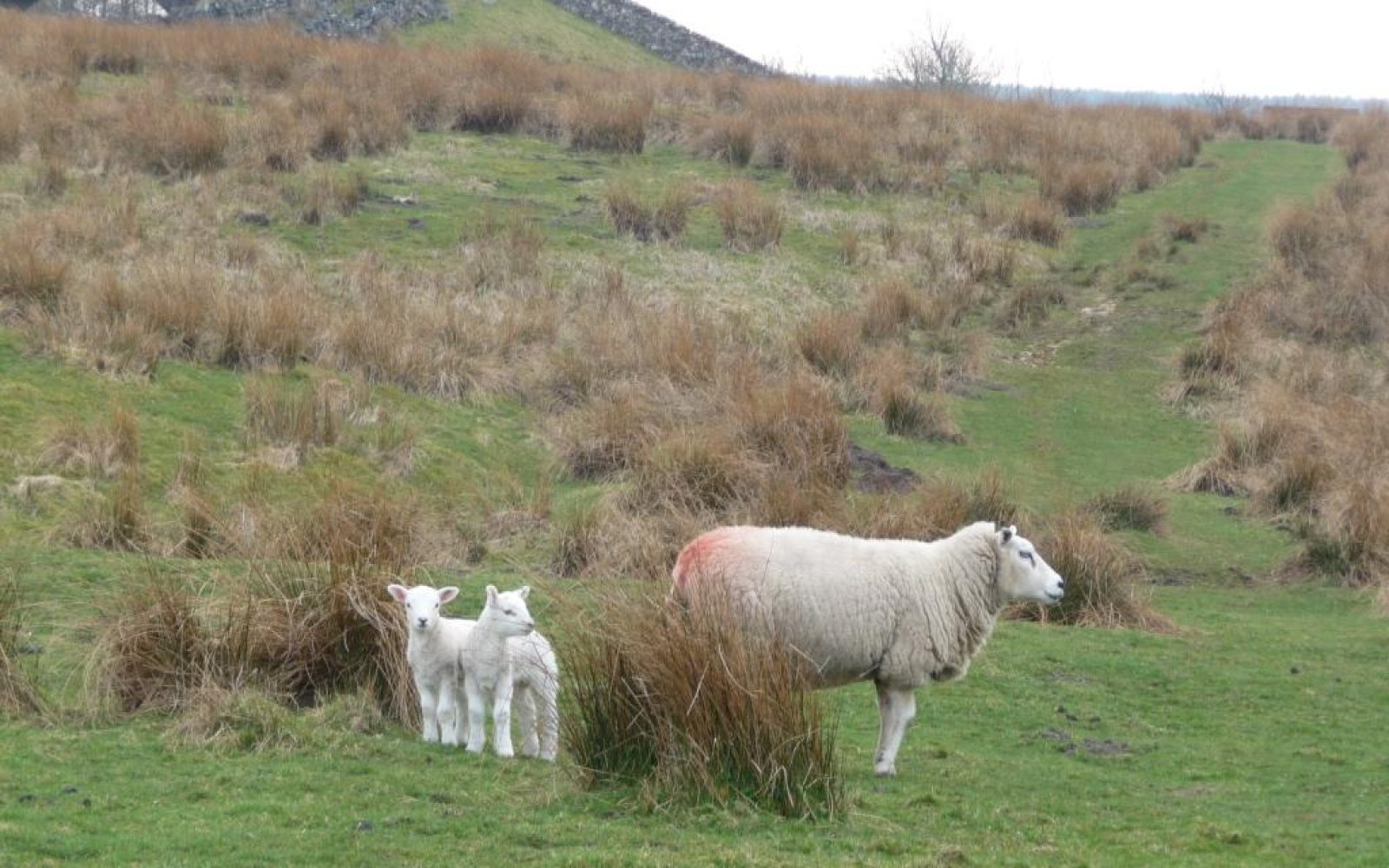
In a hay-filled stall, she found not one but two female lambs, twins born overnight into a frozen world.
Fitting names
Atland, the farm’s volunteer coordinator, named the twins Elsa and Anna, a nod to the animated sisters of Disney’s “Frozen,” the 2013 hit set in a kingdom trapped in eternal winter.
The twins joined a sister, Lilly, who had been born the day before, and their mother, Joy. Atland said the mother and all three lambs were doing well.
How do you tell the twins apart?
“The totally black lamb is Anna, and the one with a little white and black is Elsa,” Atland said.
Lambing in the cold
Late winter is a common lambing season, and February cold snaps can be dangerous for newborns. Farmers typically make sure lambs are dry, nursing and sheltered from wind in the first hours after birth, and a deep bed of straw or hay helps them stay warm. Ewes often give birth to twins, and healthy lambs are usually standing and nursing within an hour.
The February 2015 cold wave brought some of the coldest temperatures in years to Lancaster County, with wind chills well below zero on several mornings.
A farm with a heart for kids
Green Meadow Farm, located near Lititz in Leola, is a nonprofit that serves children in Lancaster County.
“We are a non-profit horse riding facility who offers free horse riding lessons to children who are struggling emotionally and/or behaviorally,” Atland said.
The farm pairs each young participant with one horse and one adult leader. Through contact with the animals and positive experiences on the farm, the organization aims to bring healing to children facing difficult circumstances.
Why animals help
Equine-assisted programs like Green Meadow’s are built on the idea that caring for and riding a horse can help children build trust, confidence and responsibility. Grooming, leading and riding a large animal requires calm, consistent behavior, and many children respond to the patience of horses in ways they might not with adults alone. Farm animals like sheep, goats and chickens add more chances for children to learn how to care for living things.
Because lessons at Green Meadow are free to families, the farm relies on volunteers and donations. Volunteers help care for animals, maintain the property and serve as leaders during lessons.
New faces on the farm
Births like the Elsa and Anna twins are a highlight for children and volunteers, offering a chance to watch new life up close and to learn about animal care through the seasons.
For more information about Green Meadow Farm, its programs or volunteer opportunities, call 717-271-1044 or visit the farm’s website.
Lambing season
Late winter is lambing season on many Pennsylvania farms, and cold snaps make it a challenging time. Newborn lambs are vulnerable to the cold in their first hours, so farmers keep a close eye on expectant ewes, provide dry bedding and shelter, and sometimes use heat lamps or warming boxes for weak lambs. Twins are common in many sheep breeds.
Therapeutic riding farms
Therapeutic riding programs use horses and farm activities to support people with physical, cognitive and emotional challenges. Animals like lambs add to the experience, giving participants a chance to care for and bond with them.
Visitors to farms in spring often say newborn lambs are the highlight of the season.
This article was originally published in February 2015.