
Serious gardeners in Lancaster County do not wait for the gates to open. In 2016, so many arrived early and stood in the rain outside the Herb and Garden Faire at Landis Valley Village and Farm Museum that organizers opened the event ahead of its 9 a.m. start.
In May 2017 the weather was kinder. The faire opened under a blanket of gray clouds after what many local growers called a temperamental spring, and the museum expected more than 2,000 people over the two-day event on Friday and Saturday.
Timed for Mother’s Day
The Herb and Garden Faire is held each year on the weekend just before Mother’s Day, and that is no accident. Plants, hanging baskets, herbs and flowers make natural gifts, and many shoppers arrive with a mother, grandmother or other honoree in mind.
Organizers have noticed that two distinct groups tend to show up. The first are the dedicated gardeners, who arrive early with wagons and lists, aiming for rare herbs, heirloom vegetable starts and unusual perennials before they sell out. The second group arrives later in the day, browsing for gifts and enjoying the setting.
What’s for sale
The faire brings together dozens of vendors selling herbs, vegetable and flower seedlings, perennials, shrubs and garden accessories. Handmade baskets, pottery, garden art and natural products such as soaps and teas round out the selection.
A highlight for many shoppers is the Landis Valley Heirloom Seed Project, which preserves and sells seeds and plants of historic varieties grown by Pennsylvania German farm families. Its tent typically offers heirloom tomatoes, peppers, beans and herbs that are hard to find at a standard garden center. For gardeners interested in history, growing a tomato variety that has been passed down for generations is part of the appeal.
A museum setting
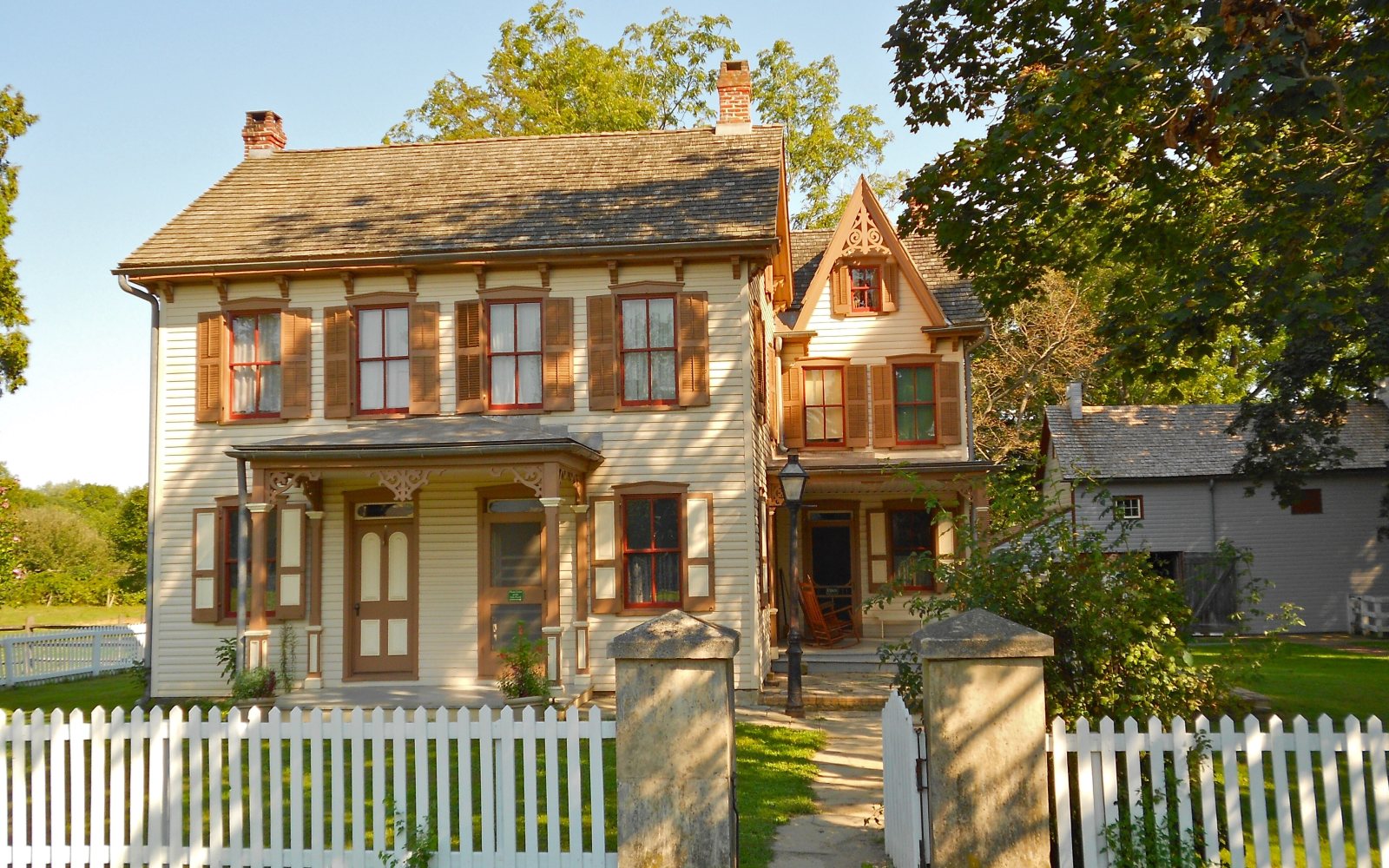
Landis Valley Village and Farm Museum sits on Landis Valley Road just north of the city of Lancaster and a short drive from Lititz. It is administered by the Pennsylvania Historical and Museum Commission and interprets Pennsylvania German rural life from the 1700s through the early 1900s.
The museum grew out of the collection of brothers Henry and George Landis, who began gathering objects from everyday rural life in the late 1800s. Today the site includes historic buildings, farm animals, heritage gardens and a large collection of tools, furniture and household items.
The faire gives visitors a reason to explore that setting. Between plant purchases, shoppers walk among the historic buildings and gardens, where staff and volunteers demonstrate traditional crafts and growing methods.
Tips for faire-goers
Regular visitors share a few tips:
- Arrive early for the best selection, especially of heirloom and specialty plants.
- Bring a wagon, box or sturdy bags to carry plants.
- Have a plan for keeping plants shaded and watered in the car.
- Ask vendors about light and soil needs; most are growers and glad to help.
- Leave time to see the museum grounds.
Supporting the museum
Admission and sales at the faire help support Landis Valley’s programs and preservation work. The museum relies on a mix of state support, admissions, memberships and volunteers, and signature events such as the Herb and Garden Faire are important to that mix.
Planning a visit
The Herb and Garden Faire remains a spring tradition at Landis Valley. Dates, hours and admission prices are set each year, so check the museum’s official website for current details before you go. And if the line is long when you arrive, take comfort: you are in good company with some of the county’s most dedicated gardeners.