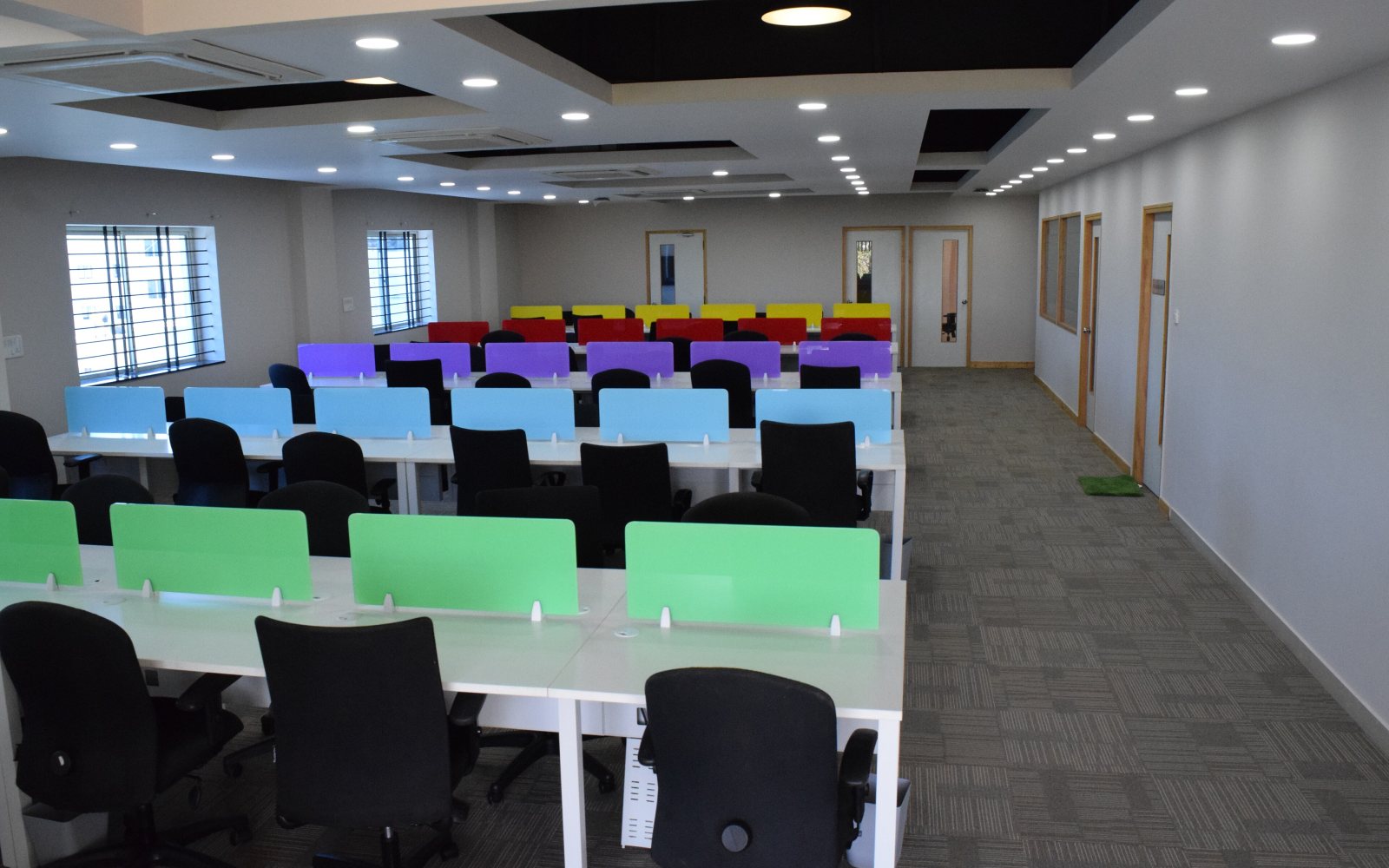

In the summer of 2015, a Lititz entrepreneur asked a simple question: what if local freelancers and small business owners could trade their kitchen tables and home offices for a shared workspace downtown?
Steve Palmer, the founder of the Imagine Lititz project, proposed leasing space at 55 N. Water St., below the Appalachian Brewing Company location, to create the town’s first co-working space. Before committing, he set out to recruit potential members and see whether there was enough interest to make it work.
The pitch
Palmer had floated the idea publicly that spring. “What if Lititz had a co-working space for technologists, freelancers, creatives, makers, and more?” he posted on social media in March 2015, linking to a site where residents could suggest ideas for improving the town.
By July, the concept had a specific location and an early-interest list. Palmer told LititzDailyNews.com that if he could not find enough committed members for the Water Street space, he might look for a smaller venue instead.
What co-working offers
Co-working spaces had been spreading across the country for several years by 2015. The model is straightforward. Members pay a monthly fee for access to shared desks, meeting rooms, internet and coffee, rather than leasing an entire office. Some plans include a dedicated desk; others offer drop-in access a few days a month.
For freelancers and remote workers, the appeal is partly practical: reliable internet, a printer, a place to meet clients. It is also social. Working from home can be isolating, and co-working spaces offer colleagues, conversation and the chance to swap ideas or referrals with people in other fields.
For towns, a co-working space can keep professionals working, and spending, downtown during the week, rather than commuting elsewhere or staying home.
Not the first in the county
Lititz would not have been the first community in Lancaster County with a co-working option. By 2015, both the city of Lancaster and Elizabethtown already had shared workspaces. Lancaster’s growing technology and creative scene had helped those spaces take hold.
Palmer’s argument was that Lititz, with its walkable downtown and growing base of creative and technology businesses, could support one too.
A changing work landscape
At the time, the proposal looked like a niche idea for a small town. In hindsight, it anticipated a much larger shift. Remote and hybrid work expanded dramatically after 2020, and many workers who had once commuted daily began looking for professional space close to home.
Today, co-working and flexible office space is common in Lancaster County, in both the city and smaller boroughs. Options range from dedicated co-working businesses to libraries, coffee shops and business centers that offer meeting rooms and day passes.
The Water Street location
The proposed site sat in the heart of downtown, steps from Main Street shops and restaurants and a short walk from Lititz Springs Park. Water Street has seen considerable change over the years as businesses have come and gone, and the brewery that occupied the building above the proposed space was itself a draw for visitors.
How to explore co-working today
For anyone weighing a shared workspace now, a few questions help:
- Is the space open the hours you need?
- Does the plan include meeting rooms or phone booths?
- Is internet fast and reliable enough for video calls?
- Is parking available, and what does it cost?
- What is the community like, and are there events for members?
Many spaces offer a free trial day, which is the easiest way to see whether the setup fits how you work.
An idea ahead of its time
Palmer’s 2015 proposal was one of the first public pushes for co-working in Lititz. Whether in that space or elsewhere, the idea that a small town could offer the same flexible work options as a city has only become more relevant since.