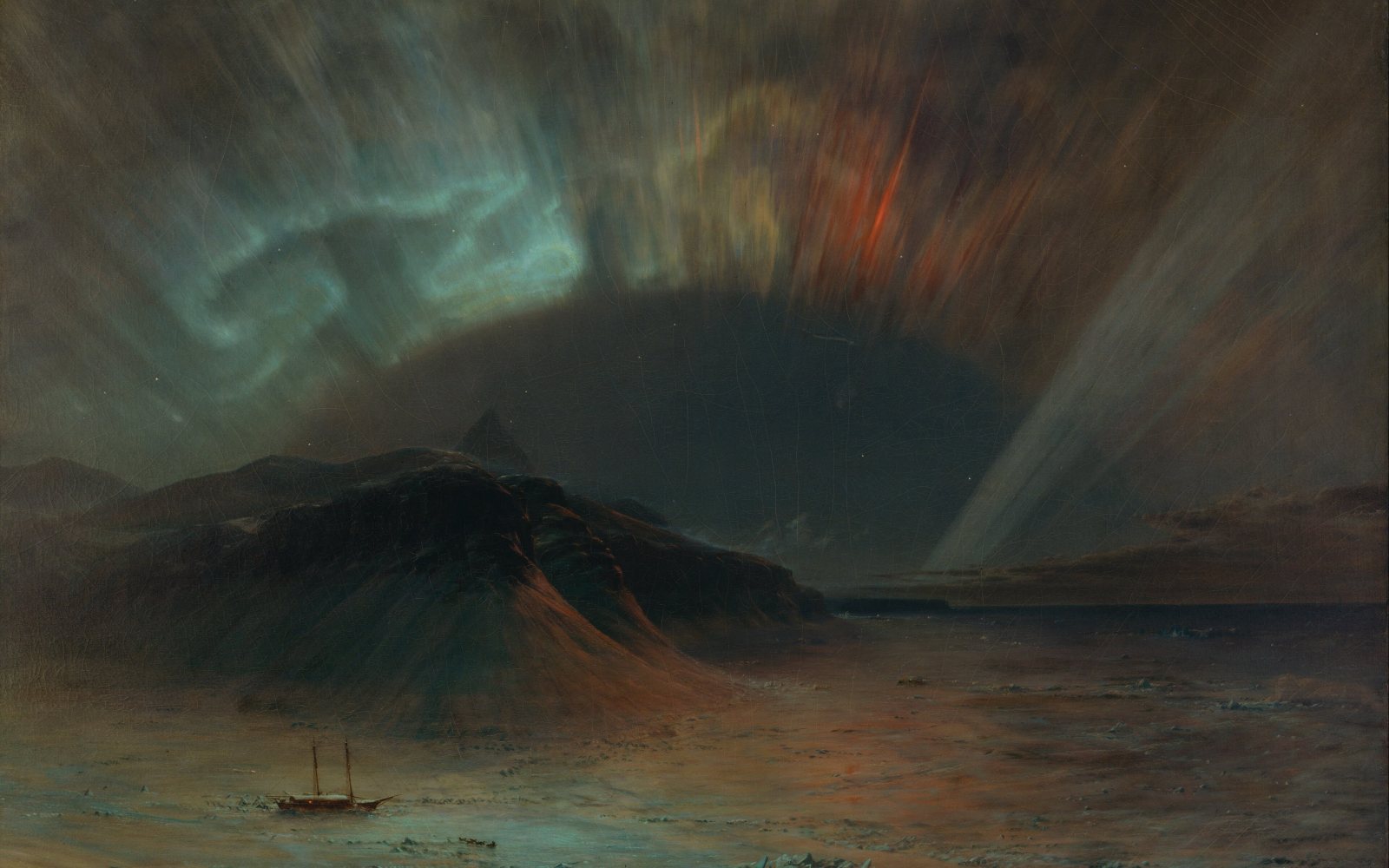

For two nights in November 2015, the northern lights put on a show across much of North America, and photographers in Pennsylvania got in on the action.
The aurora borealis glowed from Monday evening into early Wednesday morning, with colors rising and fading as clear skies, tripods and long exposures let photographers record the display. Two photographers with Pennsylvania ties shared their images with LititzDailyNews.com.
From a Montana front yard
Leon Kauffman, an amateur photographer with family in Lebanon County who spent two decades working in Bucks County, now lives in Condon, Montana. He got a surprise when The Washington Post published a photo he had tweeted of the display.
“Party in the Big Sky early this morning. #MontanaMoment,” he wrote, sharing an image of green, yellow and orange light over pines and mountains.
The photo was one frame from a time-lapse sequence. “Because the clouds were coming and going and I wasn’t sure how strong they would be, I had just set up my camera and went to bed, so I didn’t see it as it happened either,” he said.
He explained that cameras often see more than eyes. “What you see with the naked eye isn’t as bright as what you get with a long exposure in the camera, but something this bright one could have seen the lights and probably some movement of the ‘pillars of light,'” he said.
Over Clinton County
In north-central Pennsylvania, photographer Pam Baumann headed to a dark spot in Clinton County after an aurora forecast showed rising geomagnetic activity.
“I didn’t see much of anything when I initially set up, but as I started to shoot, I immediately saw green on the horizon on the LCD screen of my camera,” she said. She set her camera for exposures of 15 to 28 seconds, with a few seconds between frames.
Watching the KP index
Baumann said planning is essential. “The Northern Lights are unpredictable, as is the weather,” she said. “An important tool when planning to photograph the Northern Lights is monitoring the Aurora Forecast.”
Forecasters use the KP index, a 0-to-9 scale of geomagnetic activity. “The higher the KP number, the increased odds of seeing the lights,” Baumann said. She began watching the index after midnight. Around 3:30 a.m., it climbed to 5.67, and she started shooting.
Baumann had photographed the aurora before in Maine, but she said the Pennsylvania display was better, likely because of the stronger storm and the darker location.
Why the lights reach Pennsylvania
The northern lights form when charged particles from the sun, carried by the solar wind, collide with gases in Earth’s upper atmosphere. During strong geomagnetic storms, the aurora expands farther from the poles, and on rare nights it can be seen in the mid-Atlantic states.
Light pollution is the biggest obstacle for anyone hoping to see it from Lancaster County. Northern Pennsylvania’s state forests and parks, such as Cherry Springs State Park, are among the darkest places in the eastern United States, which is why many photographers head there when forecasts look promising.
Tips for trying
Photographers who chase the aurora recommend a sturdy tripod, a wide lens, manual focus set to infinity and exposures of several seconds or more. A clear view to the north and patience matter as much as equipment.
For LititzDailyNews.com’s founding editor, Lynn Rebuck, photographing the northern lights was on her bucket list, and the November 2015 storm showed that, with luck and planning, it can be done close to home.
This story was originally reported by Lynn Rebuck for LititzDailyNews.com in November 2015 and has been updated for our archive.