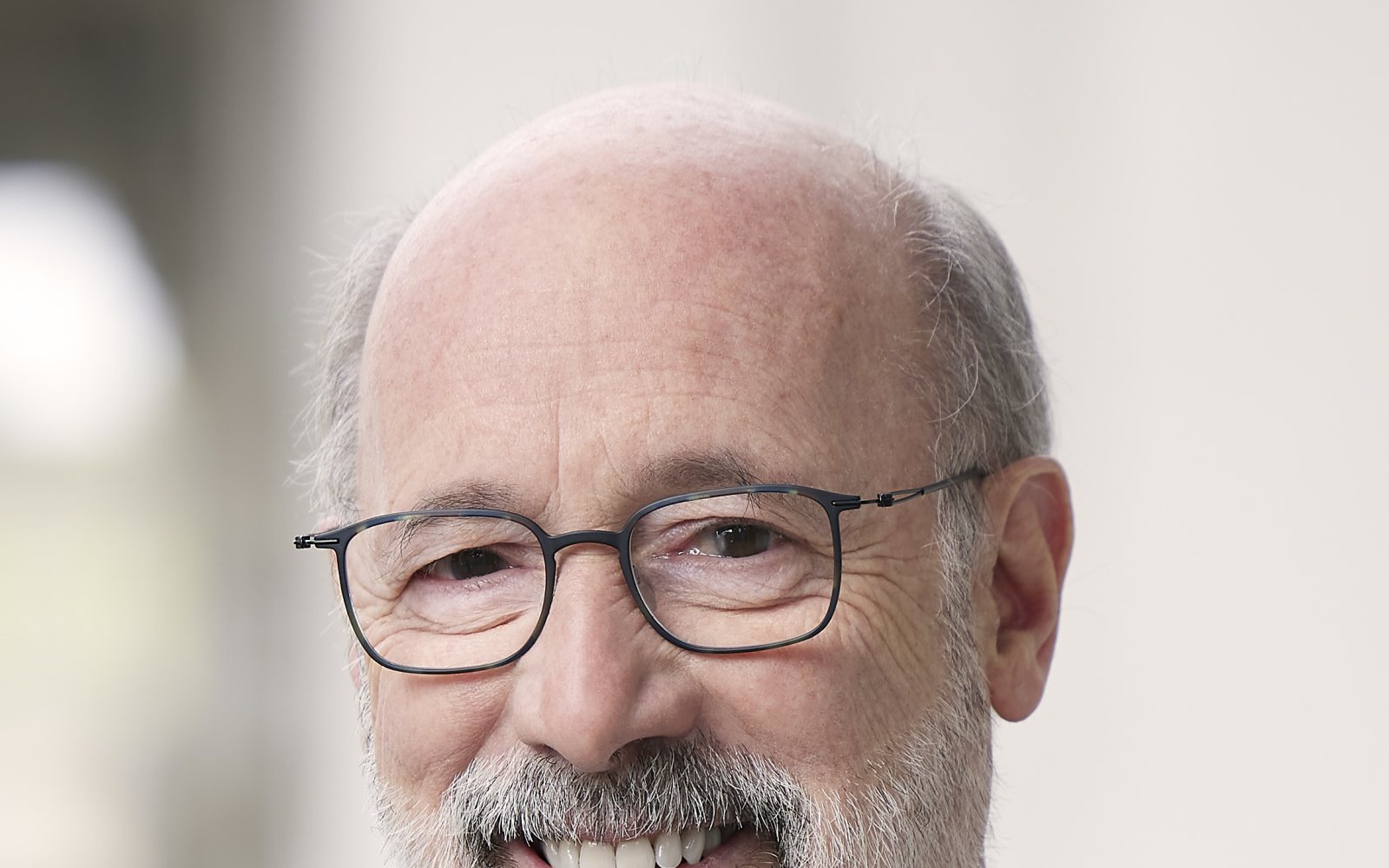

Democratic businessman Tom Wolf of York County was elected governor of Pennsylvania on November 4, 2014, defeating Republican Gov. Tom Corbett in a historically significant race. Corbett became the first Pennsylvania governor to lose a bid for a second term since the state’s 1968 constitution allowed governors to serve two consecutive four-year terms.
Celebration in York
An elated crowd of Wolf supporters gathered at the Utz Arena at the York Expo Center after polls closed at 8 p.m. to celebrate and wait for their candidate. They watched the end of Corbett’s concession speech on a large screen in the arena, and some grew restless as the evening wore on.
At about 9:50 p.m., Wolf finally entered the arena driving his blue Jeep, the vehicle that had starred in an early television ad credited with jump-starting his campaign. His wife and two daughters stood behind him on stage as he spoke.
As Wolf began his remarks, a few opponents of natural gas drilling shouted as they moved through the crowd. Wolf seemed momentarily distracted as security staff escorted the activists out, but he continued.
“Open for business”
Wolf emphasized getting the word out that Pennsylvania is “open for business” and called for a more positive outlook for the state.
“We’ve got to move away from fear of the future,” Wolf said.
He kept his remarks brief, then spent time shaking hands, signing autographs and posing for cellphone selfies with supporters.
How Wolf won
Wolf, who had run his family’s York County kitchen cabinet distribution company and served as state revenue secretary under Gov. Ed Rendell, was a relative newcomer to statewide politics when he entered the 2014 race. He emerged from a crowded Democratic primary after investing millions of his own money in an early advertising blitz that introduced him to voters as a plainspoken businessman behind the wheel of his Jeep.
In the general election, Wolf focused on education funding, a severance tax on natural gas drilling and Corbett’s record on school budgets. Polls showed him with a steady lead for months, and he won by roughly 9 percentage points.
A first for Pennsylvania
Pennsylvania voters had a long pattern of giving each party eight years in the governor’s office. Since governors became eligible for consecutive terms, every incumbent who sought re-election had won until 2014. Corbett, a former state attorney general, had been elected in 2010.
Corbett’s term was marked by battles over education budgets, the state’s response to the Penn State scandal and a failed effort to privatize state liquor stores. His approval ratings remained low throughout the campaign.
What it meant locally
Lancaster County remained solidly Republican in the race, but the outcome shaped state funding decisions for local school districts, including Warwick, as Wolf’s administration pushed for increased basic education funding in its first budget. Just weeks before the election, Corbett had made a campaign stop at Lancaster Airport in Lititz, covered separately by LititzDailyNews.com.
Wolf was sworn in as Pennsylvania’s 47th governor in January 2015 and went on to win re-election in 2018.
What a governor does
Pennsylvania’s governor proposes the state budget, signs or vetoes legislation, appoints cabinet secretaries and many judges’ interim replacements, and oversees state agencies. The budget, which funds schools, roads and human services, is often the central issue of each term.
Looking ahead
A new administration brings changes across state government, from priorities in education funding to energy and transportation policy.
Residents can follow the governor’s office for updates on budget proposals and new initiatives.
His inauguration was set for January.
This article was originally published in November 2014.