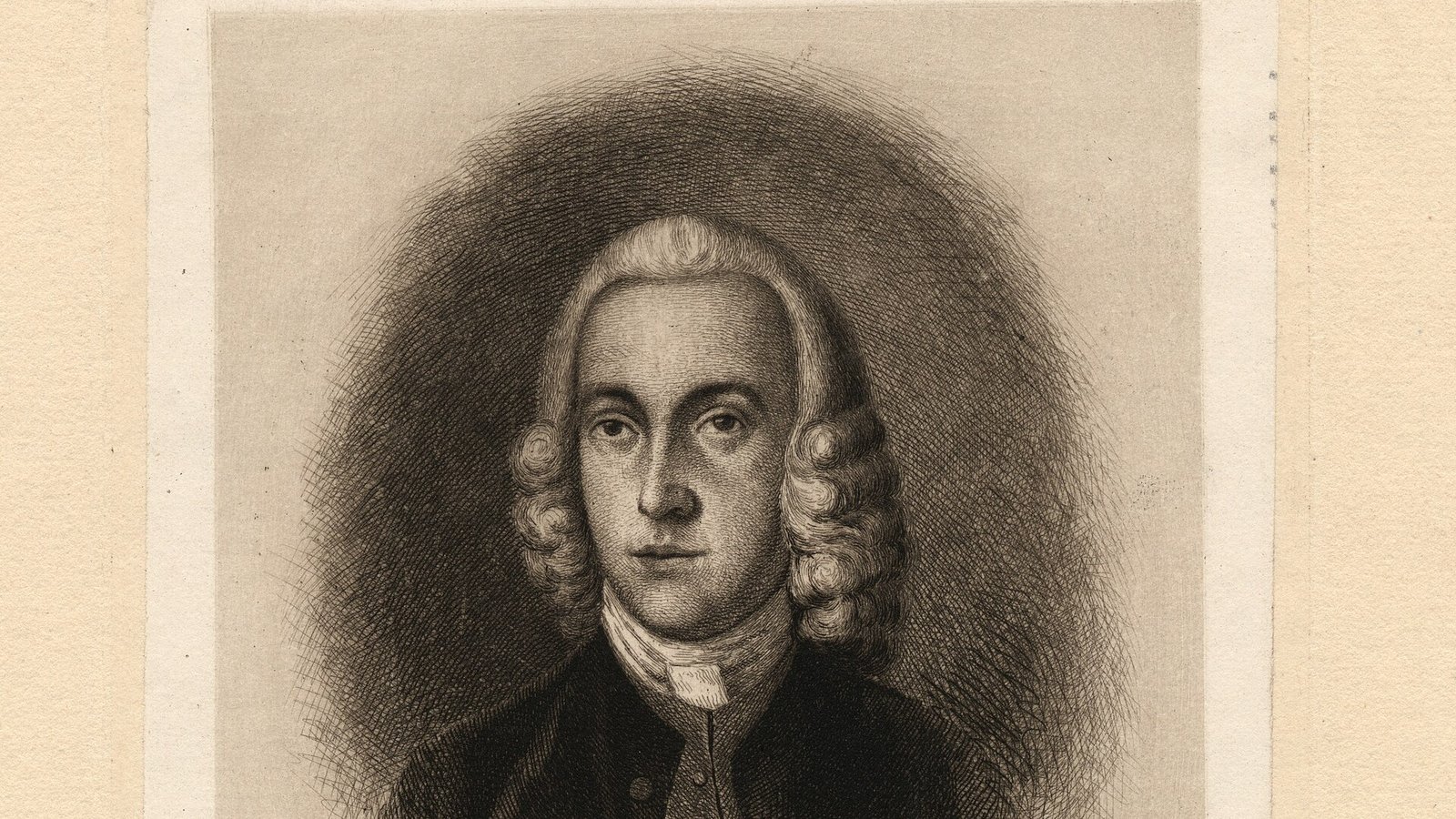

George Ross was born in 1730 in New Castle, Delaware, the son of a minister. He studied law in Philadelphia and moved to Lancaster in 1750 to practice.
For many years he served as a prosecutor for the Crown in Lancaster County and was a member of the colonial assembly.
Joining the Revolution
As tensions with Britain grew, Ross sided with the colonists. He was elected to the Continental Congress in 1774 and again in 1776. He signed the Declaration of Independence in August 1776, as one of Pennsylvania’s delegates.
He also helped write Pennsylvania’s declaration of rights and served as a judge of the state’s admiralty court.
The Ross family
Ross was the uncle of John Ross, the husband of Betsy Ross, who later became famous for her flag-making story.
Death
Ross died in Philadelphia in 1779, at 49. He is buried at Christ Church Burial Ground in Philadelphia.
Lancaster has honored him with a street name and a historical marker. His story is part of the city’s claim to a role in the Revolution, along with its brief time as the national capital on Sept. 27, 1777, when Congress met there for one day while fleeing the British.