
Lititz Run now has a report card, and the grades are mixed. In its first full scoring of the stream, presented to the Warwick Township supervisors Nov. 4, LandStudies, the firm behind much of the alliance’s restoration design, found healthy oxygen levels in parts of the watershed and mostly clear water across the township, but warm summer water in about a quarter of the places it measured and poor clarity in the lower stretch of the run.
Emily West and Mike LaSala of LandStudies walked the board through the results, LNP | LancasterOnline reported. The report card rates the watershed on more than 40 indicators and is meant to give a snapshot of stream health and water quality that can be repeated over time.
The project was paid for with a $73,000 grant from the National Fish and Wildlife Foundation, according to the Lititz Run Watershed Alliance’s own project history, which the township posts.
What the grades say
Three of the measures drew the most attention at the meeting:
- Dissolved oxygen. During dry weather, portions of the watershed tested at optimal levels for stream health.
- Turbidity, a measure of how cloudy the water is. Most of Warwick Township scored optimal. Only the lower Lititz Run area tested poor.
- Water temperature. About half of the sites were rated optimal, meaning the water topped 66 degrees no more than once from June through September. Nearly a third were fair, at two or more readings above 66 degrees, and about a quarter were poor, at three or more.
Cold water matters here. Trout Unlimited chapters have been building fish habitat and stabilizing banks along Lititz Run since the early 1990s, starting with streambank fencing on the Ed Hess farm in 1992, according to the alliance history.
A small watershed with a long track record
Lititz Run drains about 17 square miles and roughly 21 miles of streams in Lititz Borough and Warwick, Elizabeth, Manheim and Penn townships before reaching the Conestoga River near the village of Oregon, according to a watershed profile on LancasterWatersheds.org. Only about 7% of the watershed is forested and nearly 15% is developed, based on U.S. Geological Survey StreamStats data. The Moravians who settled Lititz first called the stream Carters Run before it took the town’s name.
The alliance was founded in 1997 and was named an EPA National Showcase Watershed in 1999, the same year it shared a Governor’s Excellence in the Environment award with LandStudies. Its history reads like a ledger of local fixes: a stormwater wetland on Santo Domingo Creek, which the alliance identifies as the largest source of nutrients and sediment reaching Lititz Run; dam removals at Millport; and 1,400 feet of bank stabilization and fish habitat at Sturgis Pretzel in 2000.
The pace has picked up in the last few years. The history lists 2,000 feet of restoration at the Millport Conservancy in 2023, about $215,000 in work by the U.S. Fish and Wildlife Service; 785 feet at the Lititz sewer plant in 2024 for about $111,000; a $2 million Keystone Community grant for 2,350 feet of floodplain restoration on Santo Domingo Creek; and a 1,200-foot project at Ballstown Road in 2025 backed by $1 million from the Susquehanna River Basin Commission.
Volunteers carry a lot of it. The alliance’s spring stream cleanup drew 115 people in 2024, and Watershed Day, which started in 1998 as a Warwick School District field day about the local stream, reached its 25th year in May 2025. Warwick students were back outside this fall planting Pennsylvania’s first Darling 54 chestnuts.
Why a report card now
The point of a scorecard is to have a baseline. With restoration money now arriving in larger amounts, the alliance and the township will be able to check whether the warm and murky stretches improve as the projects mature, rather than relying on before-and-after photos.
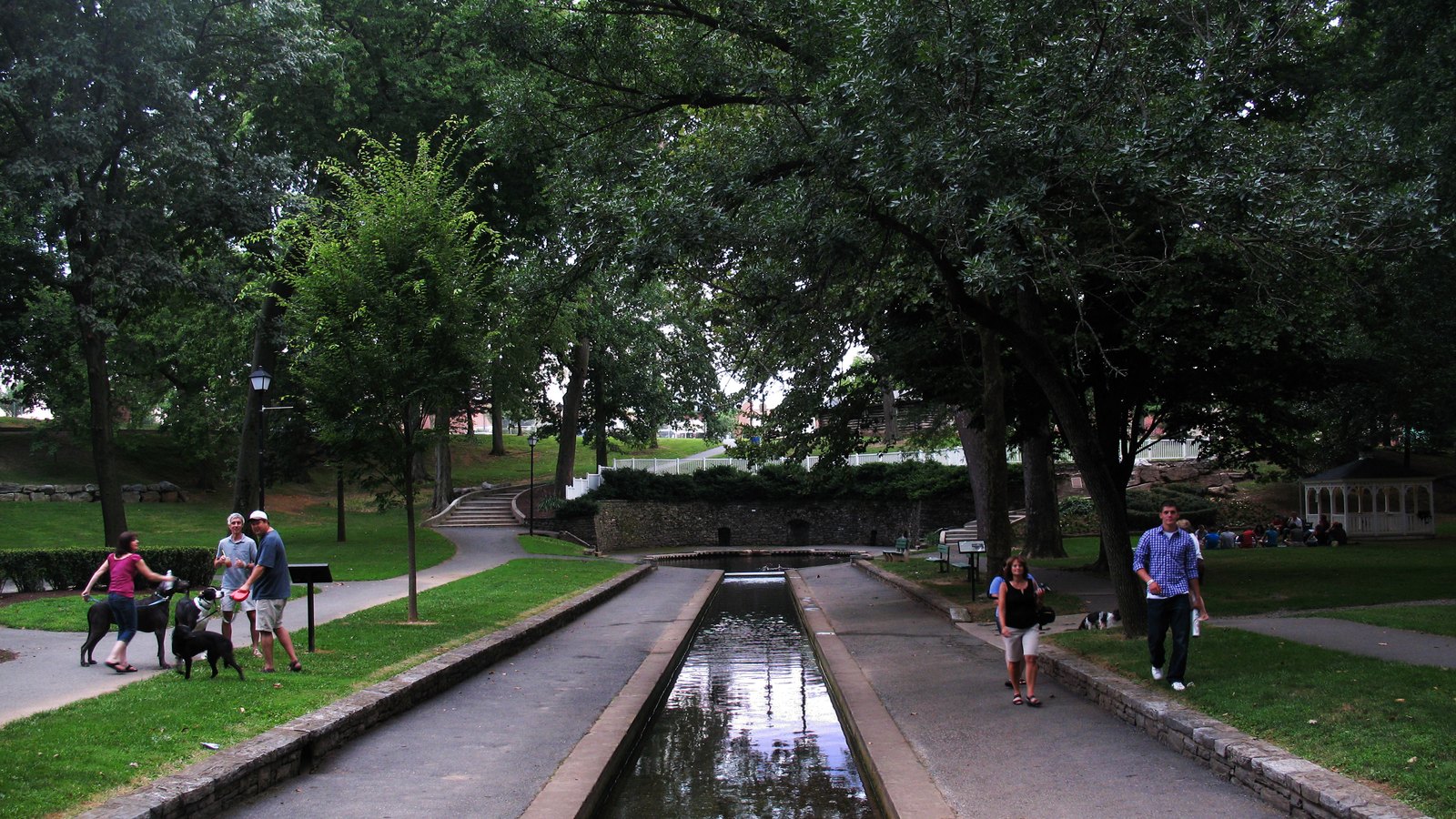
The same Nov. 4 meeting brought approval for the Hotel Rock Lititz expansion. For a different view of the stream’s best-known stretch, see our photo essay on an evening in Lititz Springs Park, and more local stories on our Community page.
The alliance’s spring stream cleanup has been held each March since volunteers returned after the pandemic in 2022.