
On the eve of the 2014 gubernatorial election, Pennsylvania Gov. Tom Corbett brought his final campaign push to Lititz.
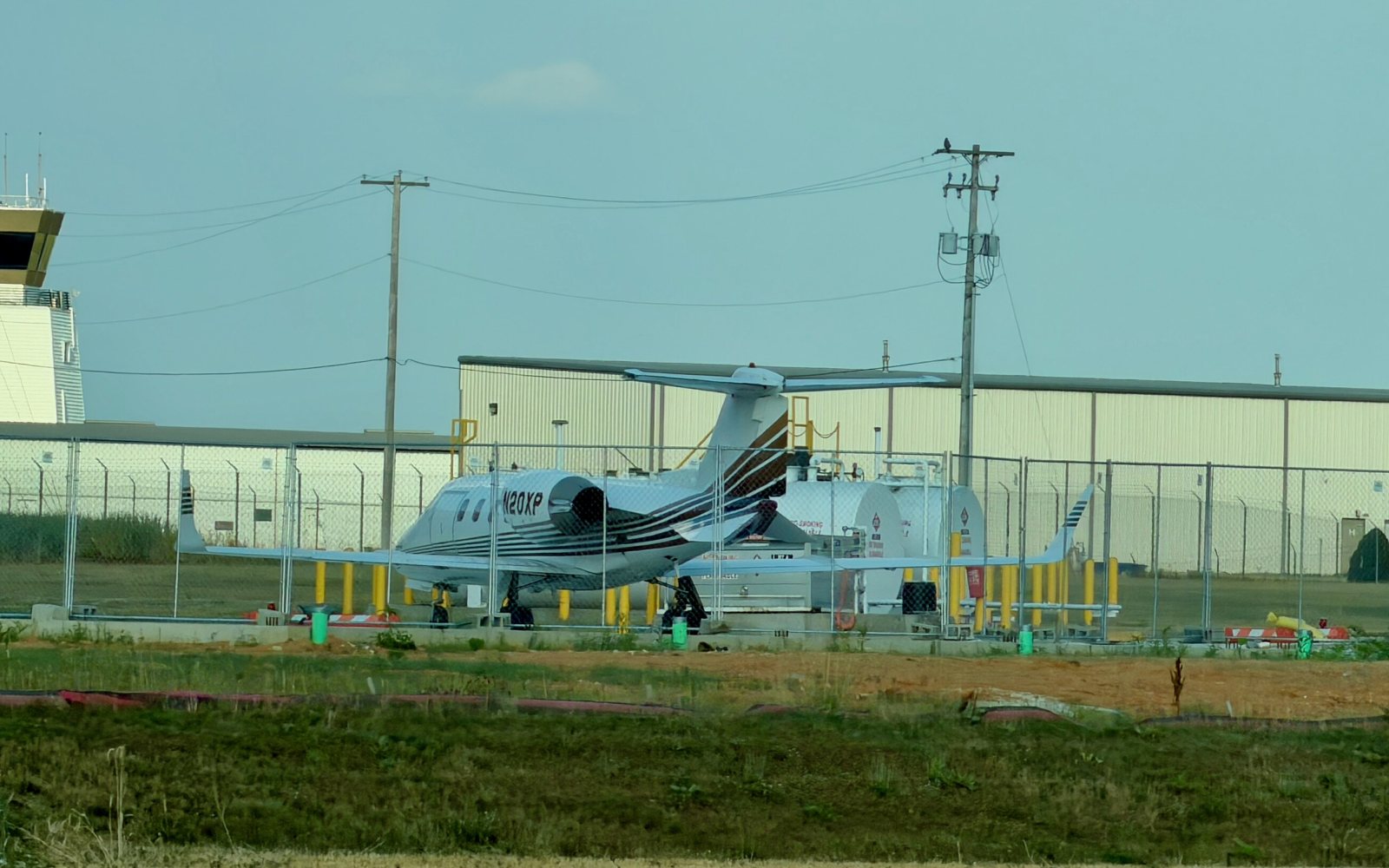
Corbett and First Lady Susan Corbett flew into Lancaster Airport in Lititz on Monday, Nov. 3, 2014, to address supporters at an afternoon rally inside the terminal. The stop was one of seven rallies the couple held that day during a whirlwind tour across the state.
“It comes down to taxes”
In his remarks, the Republican governor told supporters the election came down to one word: taxes.
“How much are you going to pay if (Wolf) were to be elected?” Corbett asked the crowd.
His Democratic challenger, York County businessman Tom Wolf, had proposed changes to the state’s tax system, including a more progressive income tax and a severance tax on natural gas drilling, but had declined to provide detailed rate numbers. Corbett’s campaign made those unanswered questions a centerpiece of its closing argument.
Polls at the time showed the race narrowing, with the incumbent trailing by about seven percentage points after months of larger deficits.
Corbett’s record
Corbett used the Lititz stop to highlight his record in office. He pointed to the elimination of the inheritance tax on family farms, which he said would help more families keep their farms and small businesses in the family, an issue that resonates in agricultural Lancaster County.
He also touted legislation governing Marcellus Shale natural gas development. Corbett said Pennsylvania had risen from fifth in the nation in natural gas production when he took office to second.
A busy final day
After meeting with reporters at the airport, the Corbetts boarded their plane for Johnstown, the fifth of the day’s seven rallies. They planned to finish the day in Pittsburgh and vote the next morning at their hometown polling place in Shaler Township, Allegheny County.
The outcome
The next day, Nov. 4, 2014, Wolf defeated Corbett by about 10 percentage points. Corbett became the first incumbent Pennsylvania governor to lose a bid for re-election since the state allowed governors to seek a second consecutive term in the late 1960s.
Wolf took office in January 2015 and went on to serve two terms. His tax proposals, including the natural gas severance tax, became the subject of long budget battles with the Republican-controlled Legislature.
Why Lititz mattered
Lancaster County has long been one of the most reliably Republican counties in Pennsylvania, and candidates from that party often visit to energize their base before an election. Lancaster Airport, located in Manheim Township near Lititz, is a convenient stop for statewide campaigns working through a tight schedule, allowing candidates to fly in, rally supporters and depart quickly.
For local Republican voters, the rally offered a final chance to see the governor in person before casting their ballots.
Looking back
Corbett, a former state attorney general, had won the governorship in 2010 by a wide margin. His single term was marked by budget cuts, especially to education funding, which became a central theme of Wolf’s campaign, and by debate over how to tax and regulate the state’s booming natural gas industry.
The 2014 race was one of the costliest in state history, with both sides spending heavily on television advertising. Wolf, who had loaned his own campaign millions of dollars, ran ads emphasizing his background running a family cabinet business in York County.
For Lititz residents, the visit was a reminder of the role Lancaster County plays in statewide politics, as candidates of both parties work to turn out voters in one of Pennsylvania’s fastest-growing regions.
This article was originally published Nov. 3, 2014, and has been updated with the election result.